Your Team

Meet the Dermatology Team

The clinicians who look after autoimmune skin disease at Chongqing West District Hospital — dermatological diagnosis and long-term medical management, procedural treatment of what the disease leaves behind, and surgical repair inside a tertiary general hospital.

Specialist Profiles

Autoimmune skin disease specialists

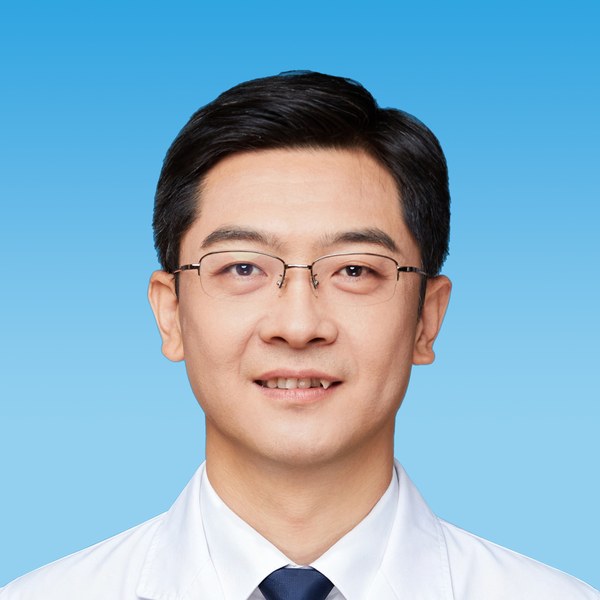
Yongbo Jia, MD

Yongbo Jia, MD (贾勇波)

Deputy Director & Head of Dermatology · Vice Chief Physician, Licensed Aesthetic Attending

Dermatology · autoimmune and blistering skin disease · long-term immunosuppressive management

Dr. Yongbo Jia is Deputy Director of the Plastic Surgery & Aesthetics Medical Center and head of its dermatology service at Chongqing West District Hospital, and the lead physician of this site. A vice chief physician and licensed aesthetic attending, he graduated from Chengdu University of Traditional Chinese Medicine and trained in dermatology at the Institute of Dermatology, Chinese Academy of Medical Sciences, and at Chongqing Hospital of Traditional Chinese Medicine.

His practice is the diagnosis and long-term medical management of autoimmune skin disease: pemphigus and the other blistering diseases, cutaneous lupus erythematosus, scleroderma and morphea, dermatomyositis and lichen planus. He treats these as chronic conditions to be named accurately, controlled carefully and then followed for years — with the biopsy, the immunofluorescence and the serology read together, and with the monitoring that immunosuppressive treatment demands treated as part of the treatment rather than an afterthought.

Clinical focus

  • Diagnosis of blistering skin disease, including the interpretation of biopsy and direct immunofluorescence alongside serology
  • Long-term medical management of autoimmune skin disease, including the choice of treatment class and the tapering plan
  • Monitoring of immunosuppressive treatment: blood counts, liver and kidney function, infection surveillance and vaccination review
  • Management of cutaneous lupus erythematosus, morphea and lichen planus, including disease of the mouth and other mucous membranes
  • Recognition of the skin signs that point to disease beyond the skin, and referral for multidisciplinary assessment

Academic roles & achievements

  • Member, Jiusan Society
  • Member, Chongqing Integrative Medicine Skin & Beauty Committee
  • Advanced training at the Institute of Dermatology (Chinese Academy of Medical Sciences) and Chongqing Hospital of Traditional Chinese Medicine

Diagnosis first

These diseases are uncommon enough that many are seen late, and their treatments carry real risk. Naming the disease correctly, with the biopsy and the immunofluorescence to support it, is the step that decides everything that follows.
Ke He, MD

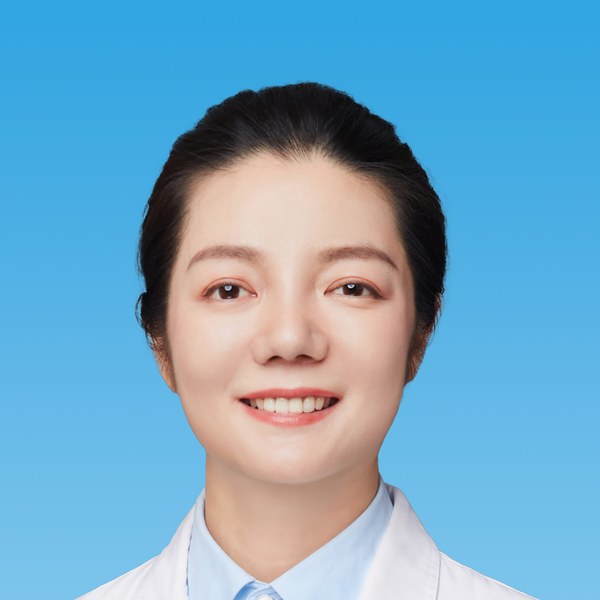
Ke He, MD (何锞)

Deputy Director & Head of Skin & Laser Aesthetics · Attending Physician, Licensed Aesthetic Attending

Skin & laser aesthetics · pigment change and scarring · procedural dermatology

Dr. Ke He is Deputy Director of the Plastic Surgery & Aesthetics Medical Center and head of its skin and laser aesthetic service at Chongqing West District Hospital. A core specialist formerly at the Plastic and Aesthetic Surgery Department of Xinqiao Hospital, affiliated with Army Medical University, she has worked on the clinical front line in skin laser and injectable aesthetics for more than 20 years, serving over ten thousand patients.

Within this service her work is the visible aftermath of autoimmune skin disease: the pigment change, redness, textural scarring and hair loss that can persist after the disease itself is controlled. She plans that work around each person’s skin tone, healing response and current treatment, because laser and procedural treatment has to be timed against immunosuppression and disease activity rather than booked around it.

Clinical focus

  • Pigment change and persistent redness left behind by inflammatory and autoimmune skin disease
  • Textural scarring and scar management, including silicone, pressure, injection and laser protocols
  • Laser-based skin rejuvenation and full-cycle skin management planned around skin tone and recovery
  • Procedural treatment timed safely against immunosuppressive therapy and disease activity
  • Pigment conditions and the refined treatment of eyelid-margin moles, milia and syringoma

Academic roles & achievements

  • Member, Laser Medicine Group, Chinese Medical Association Plastic Surgery Branch
  • Member, Facial Rejuvenation Group, Chinese Medical Association Plastic Surgery Branch
  • Member, Chongqing Plastic Surgery Quality Control Center
  • Published 5 papers, holds 5 national patents, and introduced 2 new clinical techniques

Timing is part of the treatment

A laser is only as good as the assessment behind it. In autoimmune disease that assessment includes whether the disease is quiet, what immunosuppression is on board, and whether the skin can heal predictably before any device is used.

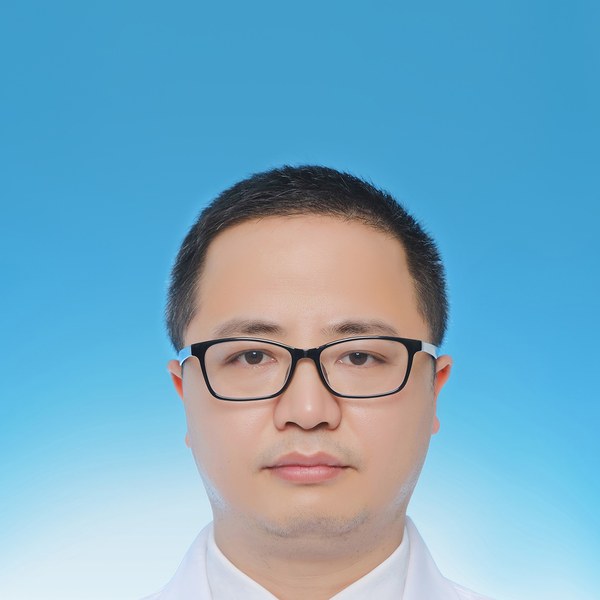
Tongchun Mao, MD

Tongchun Mao, MD (毛彤春)

Deputy Director & Head of Aesthetic Surgery · Vice Chief Physician, Licensed Aesthetic Attending

Aesthetic surgery · diagnostic and therapeutic excision · scar-conscious closure

Dr. Tongchun Mao is Deputy Director of the Plastic Surgery & Aesthetics Medical Center and head of its aesthetic surgery service at Chongqing West District Hospital. A core specialist formerly at the Plastic and Aesthetic Surgery Department of Xinqiao Hospital, affiliated with Army Medical University, he has rooted his clinical practice for more than 20 years and personally performs over 700 operations a year.

Within this service his role is tissue that has to come out and skin that has to be repaired: excision of lesions with margin control for histological examination, repair where disease or scarring has damaged the surface, and fine closure so that the line left behind is as discreet as technique allows. The same aesthetic principles serve patients whose skin bears the marks of a long illness.

Clinical focus

  • Diagnostic and therapeutic excision of skin lesions with margin control for pathological examination
  • Aesthetic closure principles applied to excisions and to surgical scar revision
  • Detailed facial-feature refinement and repair (eyelid, nose, chin, lip)
  • Facial rejuvenation injections and aesthetic excision of superficial tumours
  • FUE hair transplantation and body contouring

Academic roles & achievements

  • Member, Rhinoplasty and Trunk Tumor Groups, Chinese Medical Association Plastic Surgery Branch
  • Member, Chongqing Medical Aesthetics Quality Control Center; Member, Chongqing Medical Accident / Disability Assessment Expert Pools
  • Deputy Chair, Chongqing Shapingba District Medical Aesthetics Committee
  • Published 5 SCI papers, holds 7 national patents, and has participated in 4 research projects
  • Repeatedly named an "Outstanding Young Physician" at Xinqiao Hospital since joining in 2005

The closure is the result

Once a lesion is removed, what remains is a line. Fine closure technique, respect for aesthetic units, and scar-conscious aftercare decide whether that line fades into the skin or announces itself.

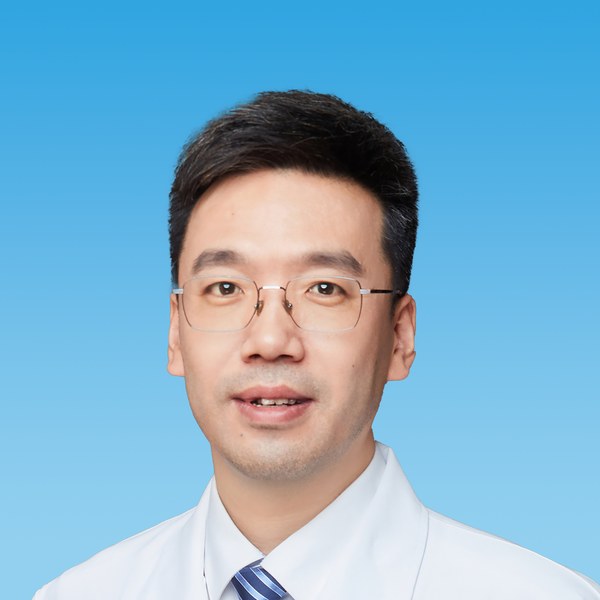
Shaoliang Wang, MD

Shaoliang Wang, MD (王韶亮)

Director, Plastic Surgery & Aesthetics Medical Center · Vice Chief Physician, Associate Professor, Doctor of Medicine

Plastic surgery · complex wound repair · surgical reconstruction

Dr. Shaoliang Wang is Director of the Plastic Surgery & Aesthetics Medical Center at Chongqing West District Hospital. He previously served as Deputy Chief of Plastic and Aesthetic Surgery at Xinqiao Hospital, affiliated with Army Medical University, and brings more than two decades of tertiary-hospital surgical experience to his practice.

Within this service he leads the surgical support that autoimmune skin disease occasionally needs: complex wound repair, reconstruction where disease or scarring has destroyed tissue, removal of troublesome lesions with margin control, and correction of damage left by previous operations — the operations where tissue must come out and the repair must look as good as medicine allows.

Clinical focus

  • Surgical scar revision and comprehensive scar management after inflammatory and autoimmune skin disease
  • Excision and repair of lesions, cysts and other superficial tumours with layered cosmetic closure
  • Complex wound repair and tertiary-hospital surgical support for dermatologic cases
  • Repair of failed or complicated previous operations (revision and reconstruction)
  • Surgical removal of skin tumours with margin control

Academic roles & achievements

  • Member, Craniofacial Surgery Group, Chinese Medical Association Plastic Surgery Branch
  • Deputy Chair, Chongqing Medical Aesthetics & Beauty Committee
  • Standing Committee Member, Chongqing Medical Doctor Association Plastic Surgery Branch
  • Expert Panel, Chongqing Aesthetic Surgery Quality Control Center
  • Developed a new endoscope- and water-jet-assisted technique for removing injected polyacrylamide (Aomingding) breast filler; awarded the Wang Liangneng Cup Military Excellent Scientific Paper Award
  • Principal investigator on an international cooperation sub-project, a Chongqing Natural Science Foundation grant, and a Third Military Medical University technology-transfer project; published 4 SCI papers and holds 8 national invention patents

A hospital-based advantage

When tissue has to be removed, it goes to the hospital’s own pathologists, and complicated cases draw on anaesthesiology, imaging and intensive care. Practicing inside a tertiary general hospital means those resources stand behind every operation.

Speak to a dermatologist about your skin

Reach out for an assessment. We will examine the skin, arrange the biopsy and blood tests the diagnosis needs, and explain what long-term treatment can realistically do and what it costs in monitoring and risk.

Book a Consultation